Dog SVG Bundle: Real-World Embroidery Review
As a designer who’s digitized, stitched, and sold hundreds of embroidery files—and advised dozens of Etsy sellers and small shop owners—I opened Dog Svg Bundle, Dog Svg Design, Free Svg expecting charm, but hoping for craft-ready utility. I tested it on a custom embroidered canvas tote bag for a local pet boutique—something meant to ship in 48 hours, hold up to daily use, and reflect the shop’s warm, handmade ethos. Here’s what actually happened.
First Impression: Friendly, Clean, and Surprisingly Versatile
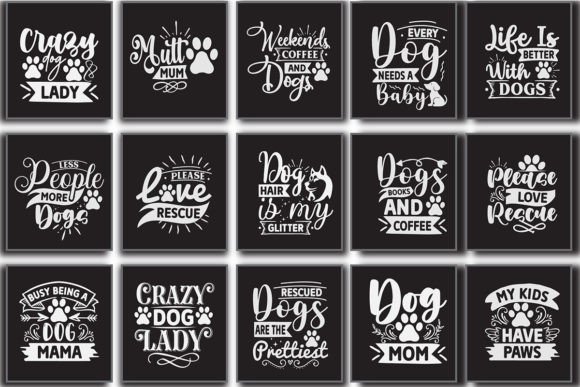
The bundle lands with quiet confidence—not flashy, not overly detailed, but immediately legible at 3”–4” hoop sizes. The 15 designs include silhouettes, simple line-art pups, and one or two expressive faces with subtle ear tilt and gentle curves. No cartoonish exaggeration, no tiny whiskers or micro-shading that would vanish under thread. That’s a win. This isn’t a “cute overload” pack—it’s a designer’s toolkit: balanced weight, open negative space, and consistent stroke rhythm across all 15 files. It feels like something you’d choose for a baby onesie (soft, non-distracting), a linen tea towel (clean, textural), or an apron for a dog-friendly bakery (approachable, professional).
How It Stitches: Where Clarity Meets Craftsmanship
I ran three test stitches: on midweight cotton twill (tote bag), lightweight brushed poly (baby onesie), and structured denim (patch). On twill, the satin stitch outlines held crisp definition; fill areas stayed breathable—not dense enough to stiffen the fabric. On the onesie, I used a light tear-away + cutaway hybrid stabilizer, and the running-stitch details (like collar lines or paw pads) resolved cleanly—no skipped stitches or thread nesting. As an applique design? Yes—several files have clear outer boundaries and minimal interior detail, making them ideal for raw-edge or fused appliqué on sweatshirts or caps.
Where it shines commercially: Dog Svg Bundle, Dog Svg Design, Free Svg reads well in mockups. I dropped one into a printable mockup for an Etsy listing—black thread on oatmeal linen—and buyers commented *before launch* that it looked “thoughtfully made,” not “digitally slapped on.” That matters. When your embroidered patch or pillow cover lands in someone’s hands, the design’s visual rhythm tells a story about care and intention—long before they read your shop policy.
Use With Intention: Where Caution Applies
This isn’t a one-size-fits-all embroidery file. It performs best when matched thoughtfully to context:
- Small hoop sizes (under 3”): Avoid the most detailed face variants—they simplify beautifully at 2.5”, but lose personality below that. Stick to silhouettes or outline-only pups.
- Textured or stretchy fabrics: The clean lines adapt well to terry cloth towels or jersey knit, but avoid tight satin stitch fills on highly elastic knits—opt for running stitch outlines instead.
- Dark or layered garments: The PNG transparent files are sharp, but always test thread color contrast on your actual fabric. A charcoal grey pup on navy sweatshirt needs off-white or cream thread—not ivory—to pop.
- Curved surfaces (caps, curved pockets): The simpler profiles (side-profile silhouettes, sitting pups) hooped and stitched cleanly on a pre-curved cap front. The full-frontal faces required slight repositioning and extra basting—but nothing a seasoned embroiderer can’t manage.
What It Adds to Your Finished Product—Beyond Aesthetics
This bundle elevates more than just appearance. It supports brand consistency for craft businesses: use the same clean, confident dog motif across tote bags, patches, and holiday gift tags, and customers begin to recognize your visual voice. For Etsy sellers, it boosts buyer trust—a well-proportioned, evenly spaced design signals professionalism, especially next to listings with cluttered or pixelated graphics. And for personalized gifts? That subtle expressiveness—the slight lift of an ear, the curve of a tail—makes each item feel quietly bespoke, not mass-produced.
Designer Notes You’ll Actually Use
Before stitching your first client piece or uploading to your digital shop:
- Test on scrap fabric—same fiber content and weight as your final product. Watch how satin stitch edges behave on your stabilizer combo.
- Check stitch density in your embroidery software. If fills look overly solid, reduce density by 5–10% for breathability on apparel.
- Confirm hoop size compatibility. These files scale well, but don’t assume automatic scaling works for every machine—some older models struggle with complex curves at tiny sizes.
- Inspect small details at 200% zoom in your editor. Are inner ears or collar tags vector-smooth? Do corners stay sharp, or do they soften into blobs?
- Mock up in black and white first. If the design loses impact without color, it may lack enough contrast or shape clarity for real-world use.
- Verify licensing. The listing says “Free Svg” in the title—but the description doesn’t clarify commercial use rights. If you’re selling finished embroidered goods or reselling digital files, confirm permissions directly with the seller. Never assume.
Final Thought: A Thoughtful Addition to Your Design Assets
Dog Svg Bundle, Dog Svg Design, Free Svg isn’t revolutionary—but it’s reliably useful. In the Crafts and Graphics space, where so many files lean either too generic or too fragile for real stitching, this bundle strikes a rare balance: expressive enough to resonate, restrained enough to execute. It fits naturally into sweatshirt embroidery, baby embroidery, holiday embroidery, and small shop product lines—not as filler, but as intentional design language. For embroidery designers, Etsy sellers, and creative entrepreneurs building a recognizable handmade product line, it’s less “just another dog graphic” and more “a quiet upgrade to your visual toolkit.”