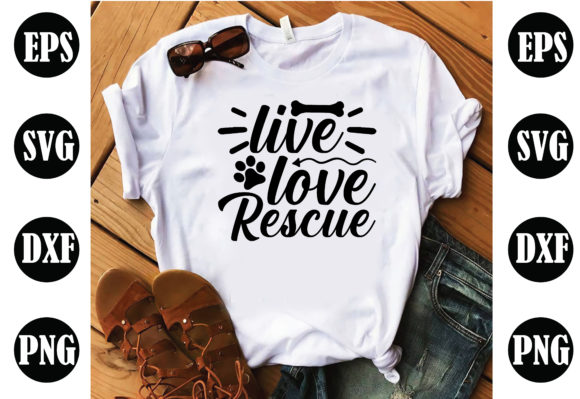
DOG Svg Design, Live Love Rescue
As someone who’s digitized, stitched, and sold hundreds of embroidery designs — from boutique baby onesies to Etsy bestsellers on linen tea towels — I opened DOG Svg Design, Live Love Rescue expecting warmth, clarity, and craft-ready versatility. What I found was a clean, heartfelt graphic that reads instantly — but only if you use it with intention. Let me walk you through how this design actually behaves when translated from screen to stitch.
A First Impression That Feels Like a Conversation
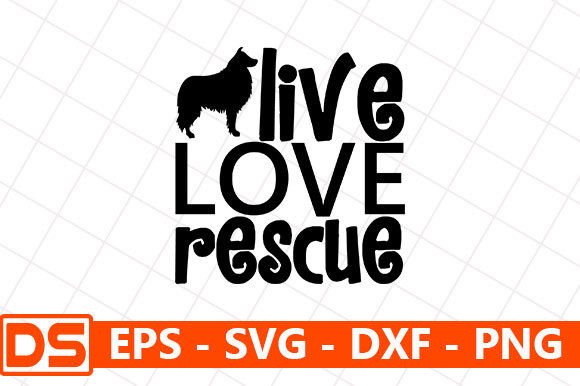
The moment you preview the SVG or PNG, you’re met with soft curves, balanced negative space, and a gentle hierarchy: “Live Love Rescue” wraps around a stylized dog silhouette — not overly detailed, not cartoonish, just quietly confident. It’s got the kind of visual personality that works for both a rescue volunteer’s apron and a minimalist nursery pillow cover. There’s no aggressive outline, no forced cuteness — just sincerity in shape and spacing. That matters more than you’d think when stitching on textured fabrics like terry cloth or slubbed linen.
Where It Shines: Real Projects, Real Customers
Last week, I prepped a batch of organic cotton tote bags for a local animal shelter fundraiser. I chose DOG Svg Design, Live Love Rescue for the front panel — centered, scaled to 4.2 inches wide — and stitched it on mid-weight twill with tear-away + light cut-away stabilizer. The result? Crisp satin-stitched lettering, smooth fill-stitch curves on the dog, and zero thread nesting. Customers didn’t just recognize the message — they paused, smiled, and asked where the design came from. That emotional resonance is rare in generic graphics, and it’s why this fits so naturally into handmade product lines, holiday embroidery bundles, or small shop merchandise meant to tell a story.
It also translates beautifully to sweatshirt embroidery — especially on heather grey or charcoal fleece. The moderate stroke weight holds up without bleeding or sinking into pile. On baby embroidery (think onesies or burp cloths), I resized it down to 3 inches and used a lighter stitch density; the simplified dog shape stayed legible, and the font remained friendly — never fragile or fussy. For embroidered patches? Yes — the clean edges and consistent line weight mean clean laser-cutting or precise iron-on backing.
Where to Pause and Plan Ahead
This isn’t a one-size-fits-all embroidery file. Its charm lives in its balance — which means it needs thoughtful placement. On stretchy fabric like jersey knits or curved surfaces like caps, test stitch first: the wrap-around text can distort if hooping tension isn’t even or if stabilizer slips. Tiny hoop sizes (under 4 inches) will require scaling down — and at under 2.5 inches, the inner curve of the dog’s ear or the fine spacing in “Rescue” may lose definition. Don’t assume it’ll auto-adapt.
On dark fabric, check contrast early. The design doesn’t include built-in shadow layers or underlay tricks — so if you’re stitching black thread on navy denim, run a quick black-and-white mockup to confirm readability. Likewise, dense fill areas (like the dog’s body) benefit from medium stitch density — too tight, and you risk puckering on lightweight cotton; too loose, and it reads as faded on kitchen towels or aprons meant for daily use.
What It Adds to Your Craft Business — Beyond the Stitch
For Etsy sellers and creative entrepreneurs, DOG Svg Design, Live Love Rescue isn’t just another digital embroidery file — it’s a quiet brand amplifier. It carries tone without shouting. When stitched onto a linen pillow cover sold in a boutique, it feels intentional, not mass-produced. When used in personalized gifts (a custom cap for a vet tech, a holiday embroidery kit for rescuers), it deepens perceived value because the theme aligns with purpose — not just aesthetics.
That alignment builds customer trust. Buyers scanning your shop notice consistency: same warm voice across your product photos, your listing copy, and now — in the stitch itself. It supports brand cohesion whether you’re selling printable mockups, digital embroidery files, or finished products. And yes — it performs well in commercial embroidery settings, provided your machine handles standard fill and satin stitches cleanly. Just remember: always verify licensing before bundling it into kits or reselling the design files themselves.
Practical Designer Notes You’ll Actually Use
- Test before you commit: Run a sample on scrap fabric matching your final project’s weight and texture — especially for baby embroidery or frequent-wash items like tea towels.
- Stabilizer isn’t optional: Light cut-away works best for knits; tear-away + light fusible helps on wovens like chambray or canvas tote bags.
- Thread colors matter twice: Try the design in high-contrast combos first (e.g., cream thread on charcoal), then explore tonal variations once you’ve confirmed clarity.
- Check small details at full size: Zoom in on the “o” in “Love” and the tail curve — are they open enough for clean satin stitching? If not, adjust density or add a tiny jump stitch.
- Mock it both ways: Preview in black-and-white and grayscale to assess legibility on light vs. dark backgrounds — critical for digital product previews and Etsy listings.
- Know your file limits: The ZIP includes EPS, SVG, PNG, and DXF — great for designers using Illustrator, Inkscape, or digitizing software. But if you need PES or DST, you’ll need to convert it yourself or hire digitization support.
At its core, DOG Svg Design, Live Love Rescue is a Crafts category asset with Graphics-level polish — simple enough for hobbyists, refined enough for small business owners building a recognizable line. It won’t replace complex applique designs or multi-color narrative scenes — and it’s not meant to. What it does do, consistently and gracefully, is turn a shared value into something tactile, wearable, and quietly meaningful. Whether you’re stitching for joy, for profit, or for purpose — this one earns its place in your embroidery project queue.